Buying Guides
Water Filtration Equipment: What Do You Actually Need?
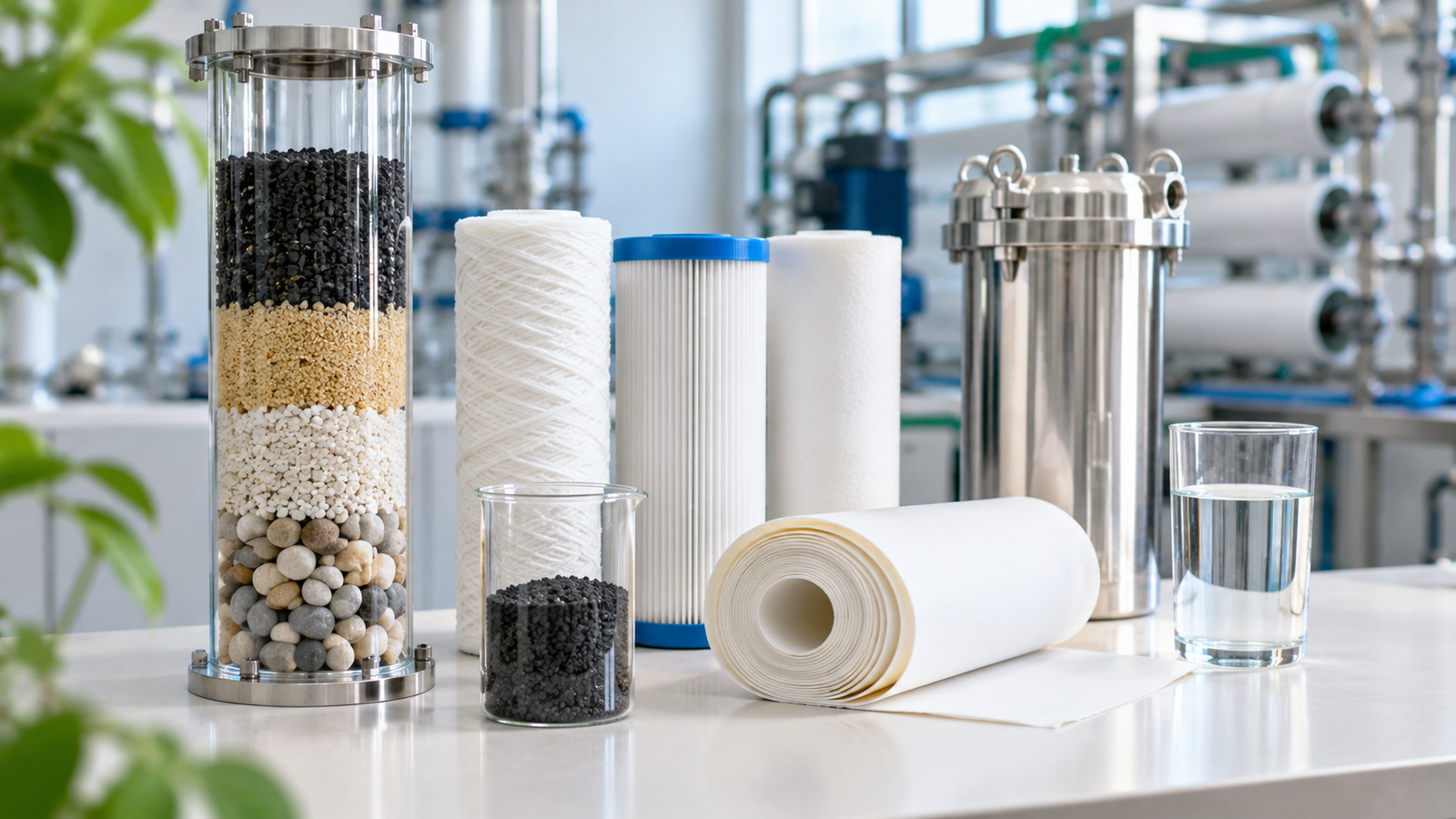
Choosing water filtration equipment? Learn how sediment, carbon, cartridge and membrane technologies differ, and when a commercial water treatment system needs RO.

Choosing water filtration equipment? Learn how sediment, carbon, cartridge and membrane technologies differ, and when a commercial water treatment system needs RO.

A practical equipment selection guide for entrepreneurs and small businesses. Understand purification, RO capacity, filling machines, operating costs and what to check before buying.
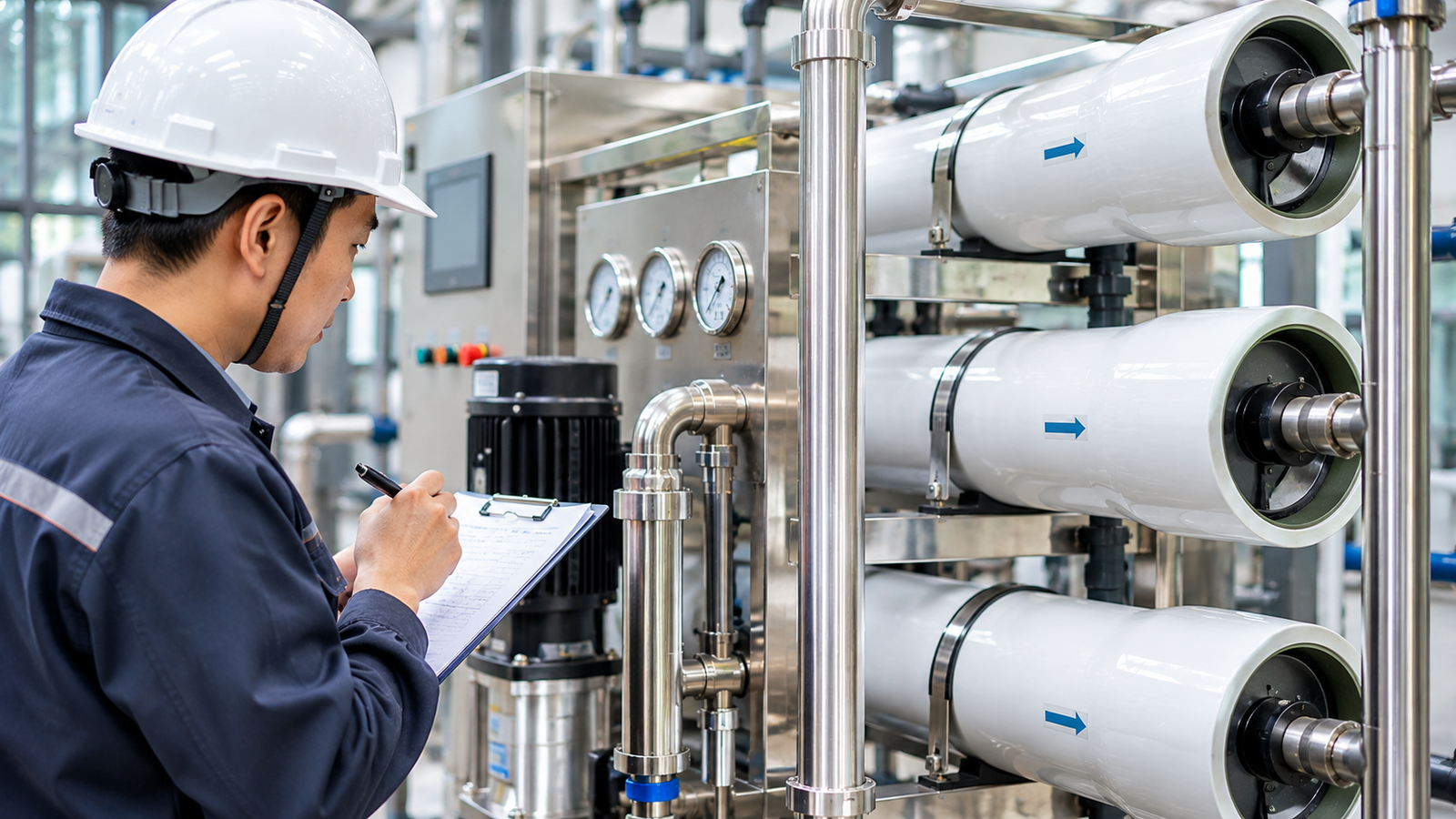
A practical guide to buying a 2000 LPH RO system. Learn what the capacity means, why configurations differ, how recovery affects water use, and what to compare in supplier quotations.
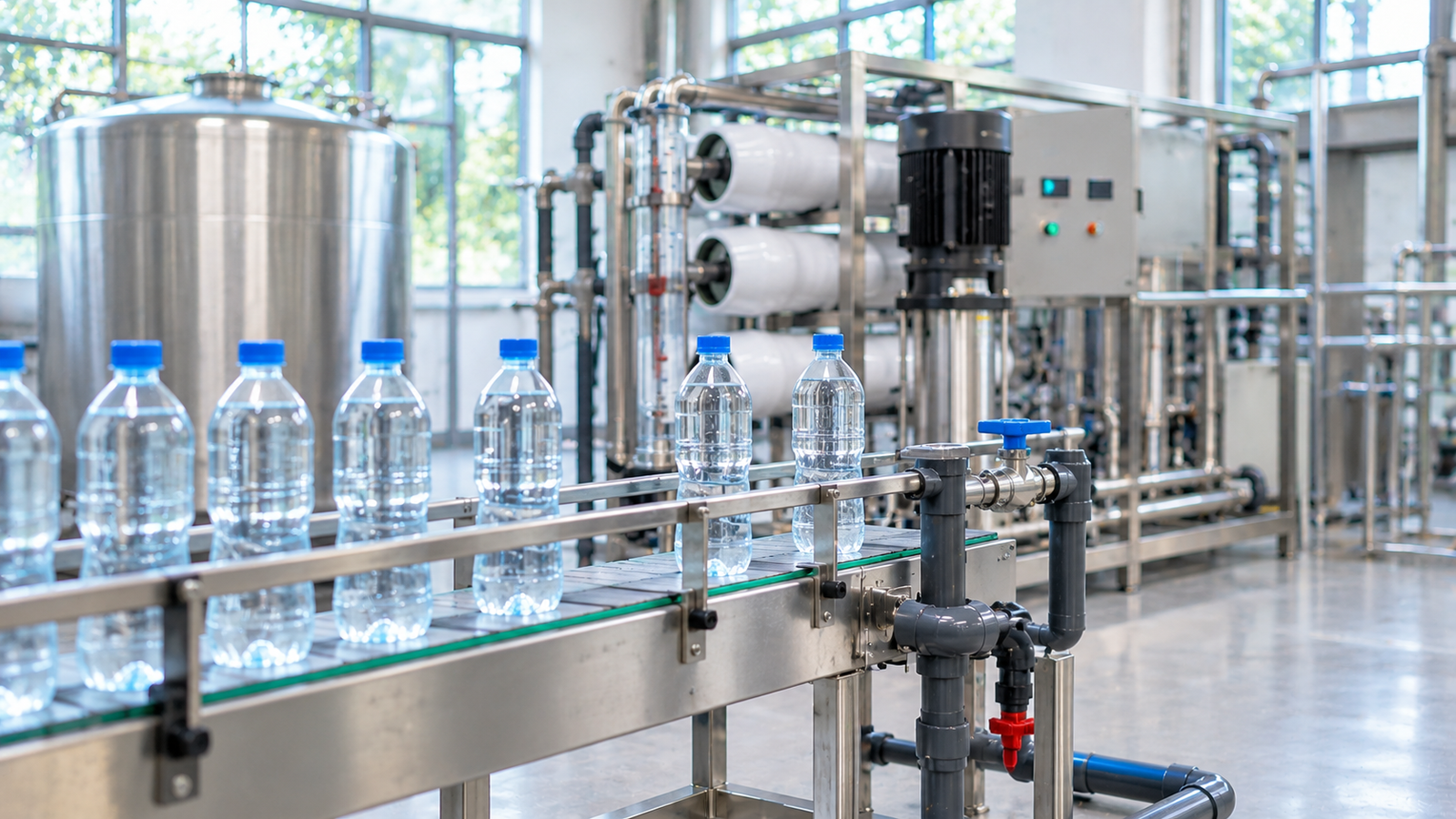
A practical guide to sizing an RO water system for business use, from daily production and operating hours to storage, recovery and site requirements.
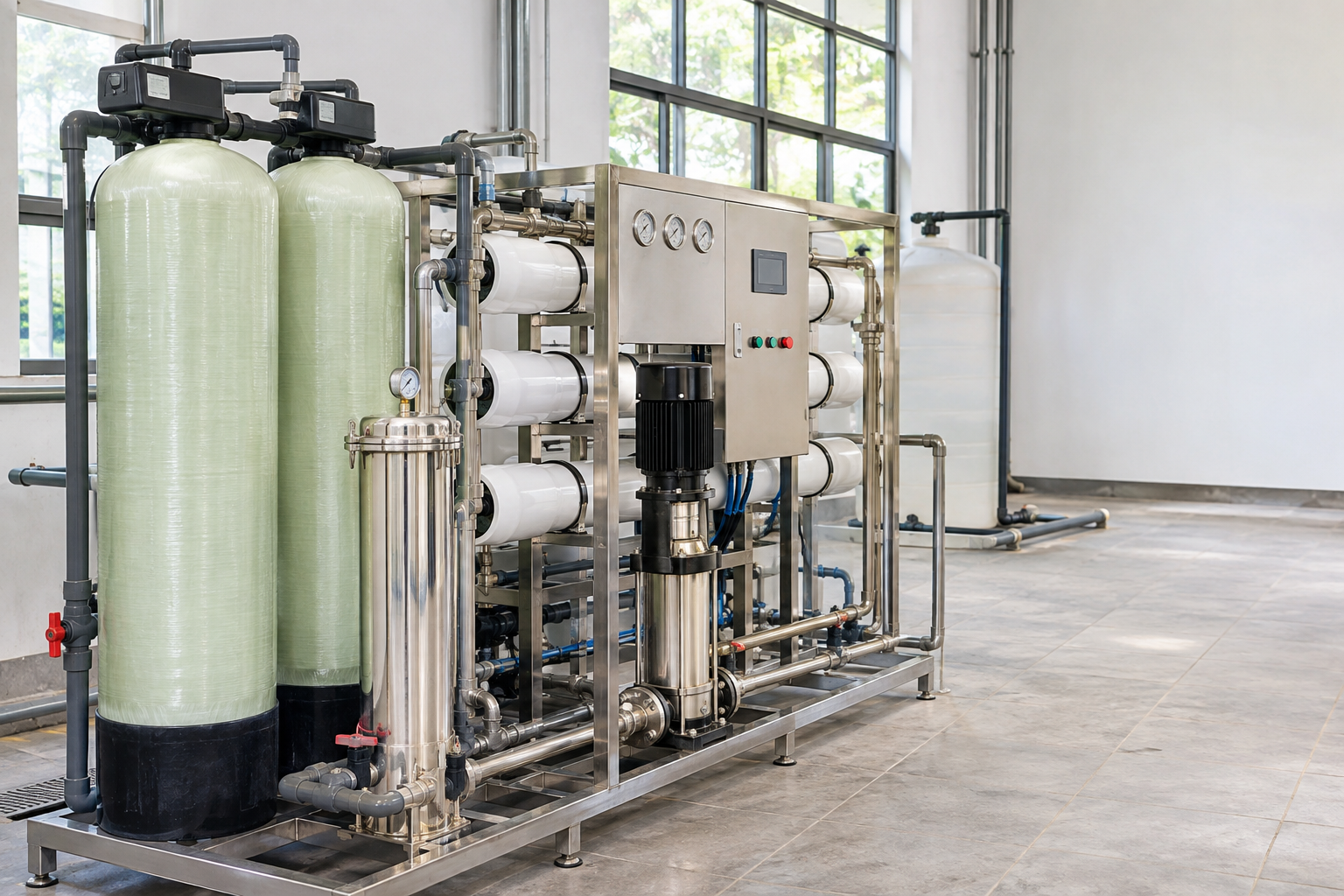
A practical guide to choosing a reverse osmosis water filter system for well water, drinking water businesses and small commercial facilities.

Some commercial RO systems can be installed by competent local technicians with supplier guidance. The decision depends on the equipment, site conditions, and available skills. Learn how to divide installation responsibilities, prepare your site, and agree on commissioning before shipment.

Low RO output does not automatically mean the membranes need replacement. First establish whether production time, measurement, or operating conditions have changed. Then use flow, pressure, temperature, and water-quality records to guide a technical assessment.

The right RO spare-parts package depends on the installed components, local availability, and how long your business can tolerate downtime. Start with routine consumables, assess critical components separately, and confirm exact specifications before adding parts to your equipment order.

A short video of flowing water cannot establish whether an RO system meets your order requirements. Learn what to agree before testing, which operating readings to request, and how to distinguish factory test results from performance verification at your installation site.

Commercial RO equipment can be configured for different electrical supplies, but voltage alone does not establish compatibility. Check phase, frequency, available capacity, and every powered component before ordering, especially when importing equipment for a 220V or 415V site.

Double-pass RO treats the first pass’s product water through a second RO process. It can help meet more demanding water-quality targets, but it also changes the equipment, water balance, and operating requirements. Learn when that additional treatment is justified.

A laboratory report is useful only when its sample details, units, and results are interpreted correctly. Learn how to review your borehole water report, identify missing information, and give a supplier a sound starting point for treatment selection.