
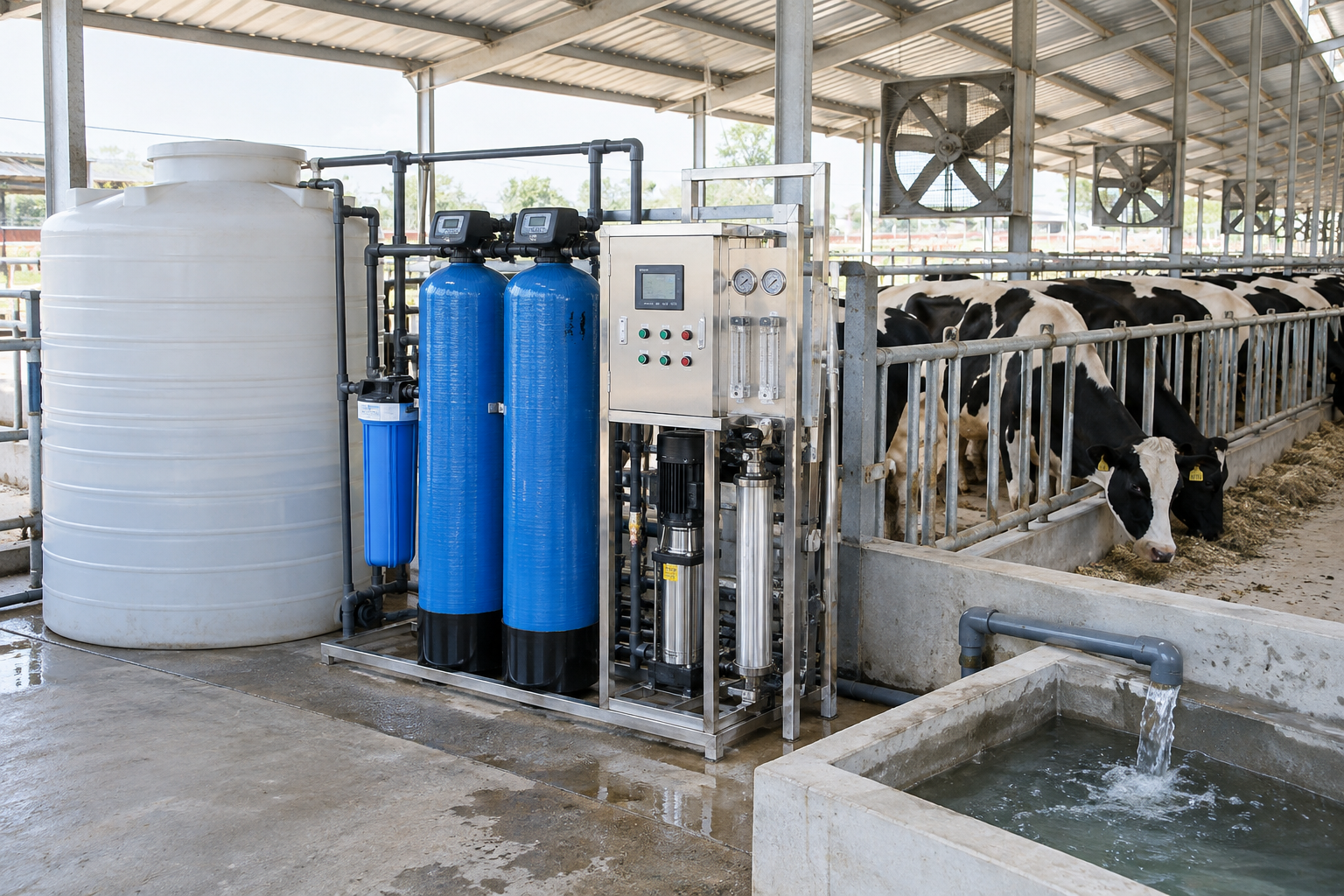

2000 LPH RO System: Specifications, Cost Factors and Buying Guide
A practical guide to buying a 2000 LPH RO system. Learn what the capacity means, why configurations differ, how recovery affects water use, and what to compare in supplier quotations.
Do not select an RO system from TDS alone. For municipal water, a basic analysis may be enough. For well or brackish water, hardness, iron, manganese, turbidity and scaling risk can change the pretreatment route substantially.
If you already have a laboratory report, send the complete report rather than only the TDS value.
An RO unit is not simply a pump and a membrane sized by litres per hour. The membrane only works reliably when the water reaching it has been prepared for the actual risks in the source water.
Two sources can show a similar TDS value and still require different systems. One may be relatively clean municipal water with chlorine present; another may be well water with hardness, iron and suspended solids. The output capacity may be the same, but the treatment route should not be.
You do not always need a long laboratory report before the first discussion. But the following parameters are the ones most likely to change a practical small RO configuration.
A handheld TDS meter cannot tell you whether the water contains excessive hardness, iron, manganese, turbidity or microbiological contamination.
Start with TDS or conductivity, hardness, pH and available information about chlorine and turbidity. Municipal water is often more stable, so the first configuration can usually be simpler.
Hardness, iron, manganese and turbidity become much more important. Source conditions may also change seasonally, so a complete laboratory report is more valuable.
Salt concentration and scaling risk matter more. TDS, hardness, alkalinity and the overall ionic profile become increasingly useful for recovery and membrane decisions.
Seawater desalination requires a different pressure, membrane and pretreatment approach. A proper water analysis and site review should be treated as part of the design process, not an optional extra.
Do not crop the report down to one number. The relationship between parameters is often more useful than a single result. A full report also helps identify what is missing before a final configuration is issued.
Municipal, well, brackish or seawater
Report, TDS and known risks
Application, L/hour and operating time
Pretreatment, RO and finishing modules
For a useful first proposal, AquaOxy normally needs four pieces of information. If one item is unavailable, send what you know rather than guessing.
Final pretreatment, recovery and membrane configuration should be based on the complete source-water condition and project requirements, not on a generic capacity chart alone.
You do not need to determine the treatment process yourself. Send your water source, water report, required capacity and application. If some data is missing, we can identify what is still needed.
Send the complete report together with your capacity and application.

A practical guide to buying a 2000 LPH RO system. Learn what the capacity means, why configurations differ, how recovery affects water use, and what to compare in supplier quotations.

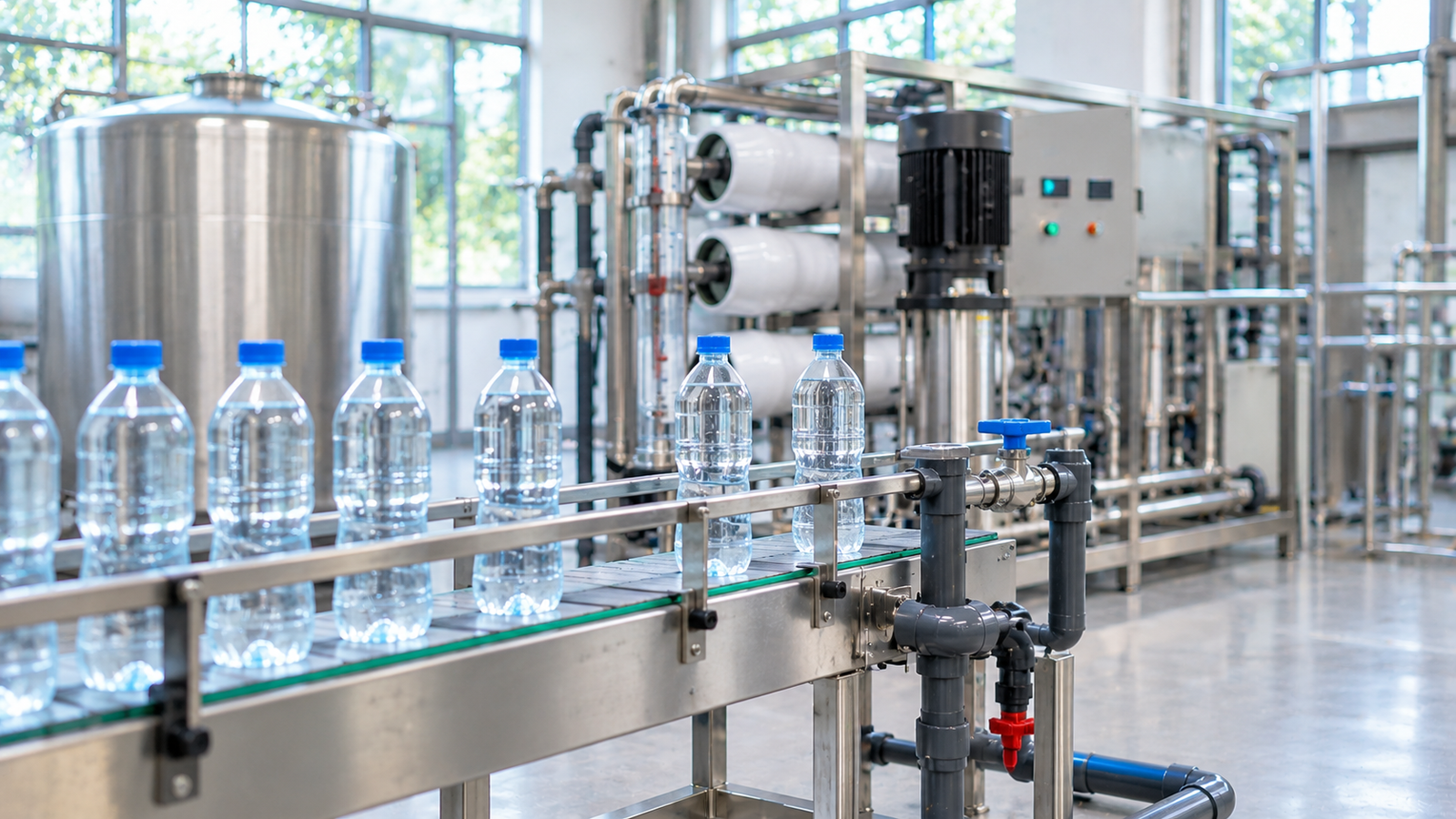
A supplier’s factory photos and component brands tell only part of the story. Learn how to check company identity, assess the proposed design, request meaningful test evidence, and clarify support responsibilities before ordering a commercial RO system from China.

A practical guide to sizing an RO water system for business use, from daily production and operating hours to storage, recovery and site requirements.
20 Responses